Livre numérique

Nos éditions

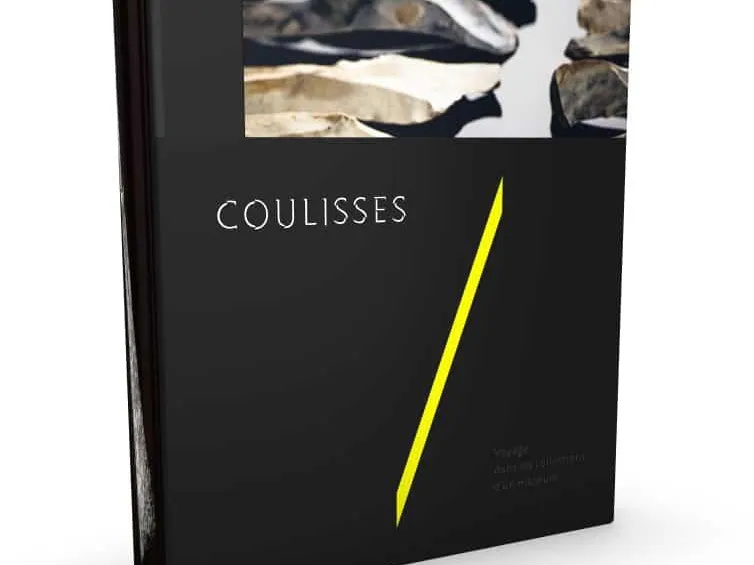
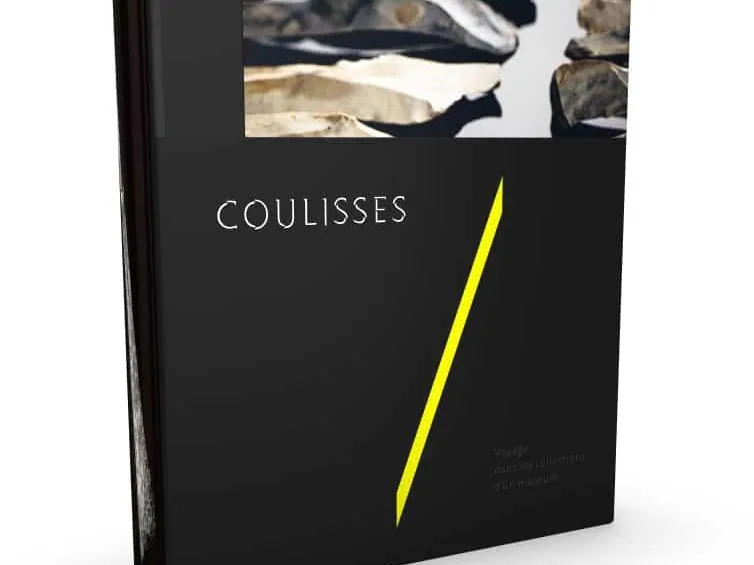
Coulisses (english)

Exhibition catalogue

Publié le 10 avril 2026

The city of Le Havre nearly lost its museum during the 1944 bombings. The collections that were almost completely destroyed were destined to go to the Museum of Rouen. But with the determination of a handful of people, the museum partially reopened in 1972. The 2007 renovations were a clear sign of its transformation into a Museum that is more open: to all audiences, to its city and to the World. This book is an exploration of the museum’s core. Its collections shine a light on the priceless relationship between Man and patrimonies, with a wish to draw other temporalities.

Nearly destroyed during the 1944 bombings, Le Havre’s museum narrowly escaped disappearance and a transfer of its collections to Rouen. Thanks to the determination of a few individuals, it partially reopened in 1972, and its 2007 renovation marked its evolution into a more open museum, connected to its audiences, its city, and the wider world. This book explores the heart of its collections, highlighting the relationship between people and heritage across time.

Let’s travel in time and around the world to discover more than 200 objects from the museum’s collections…
Museums are filled with symbolic value.
It’s a travel through stories, through History
It’s an experience of various feelings: loathing, joy, fear, delight…
It’s a place of life and laughter (when permitted…)
It’s a place of familiarity: museums help form identities
It’s a place to be: the equivalent of the French population goes to the museum every year.
What are the main challenges for museums?
They have to follow tendencies, evolve, innovate and change with their time while one of their main goals is conservation. Hence an inherent tension.

Into a museum coulisses

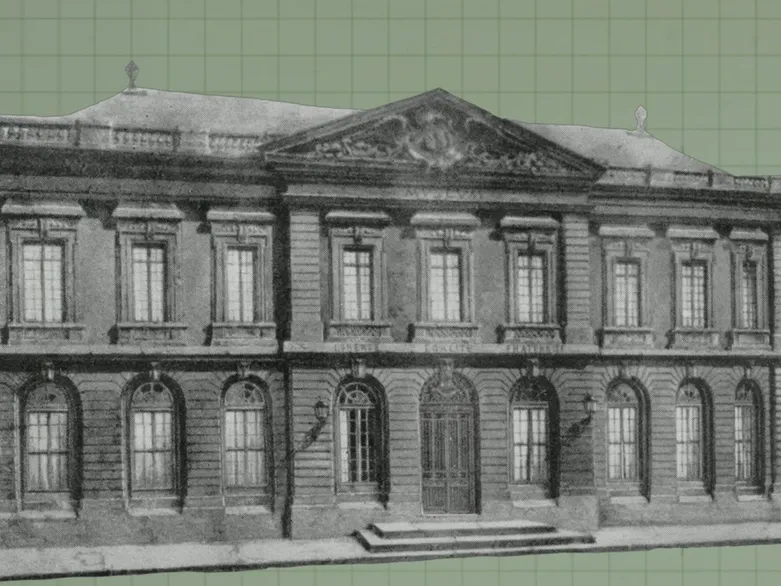
During the 19th century, the Havre Museum of Natural History was just one room. The Library-Museum then opened its natural history galleries in 1855. In 1881, the buildings of the city’s old courthouse became part of the Museum. It stayed this way until the September 1944 bombings that destroyed most of the building and collections. It was only in 1972, after the first renovations where finished, that the museum reopened its doors. The proximity of the cliff of la Hève, rich in fossils, and the absence of a university in Le Havre were two of the main reasons that pushed the museum to focus its research on natural history.

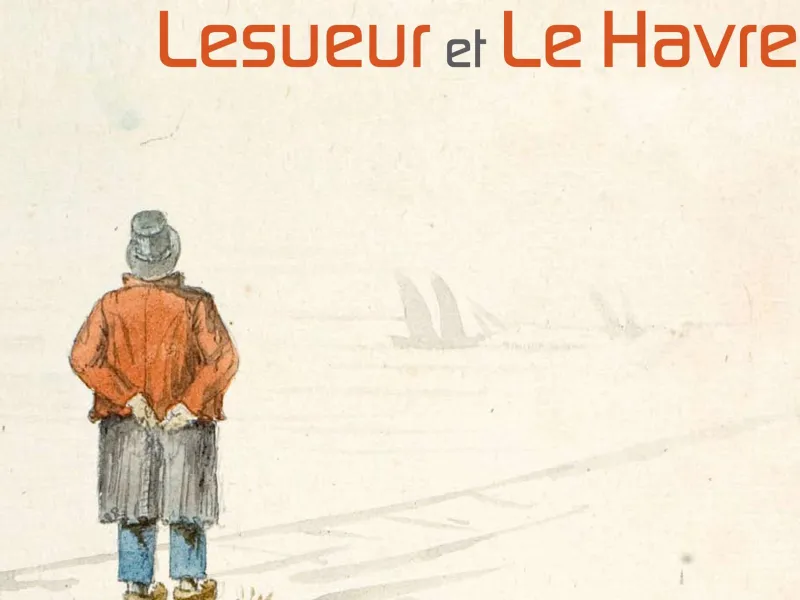
In 2007, it was rearranged to receive the treasures of the Lesueur collection and host temporary exhibitions. After eight years of only showing temporary exhibitions, it was the right moment to show off the full extend of the museum’s collections and their formidable potential. In 2006 the museum started a massive renovation of its stored objects, then in a pitiful state for most. Coulisses could not have been imagined without this vast collective and discrete weekly work of rearranging, dust removing, conditioning, restoring, inventorying and documenting.